This post contains affiliate links, meaning that I'll make a comission if you purchase through my links, at no extra cost to you. You can read the full disclosure here.
Here are 9 producitve, simple and powerful ways to lock in and become your best self in your chosen period of time.
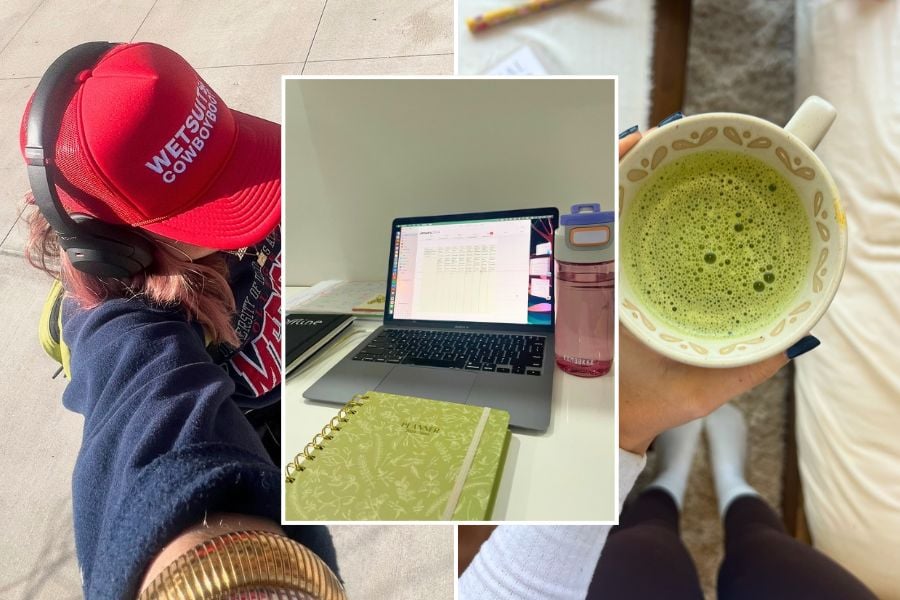
Have you ever looked at your life and thought, Okay, enough. It’s time to get serious about myself.
Maybe you’ve been stuck in the same cycle of making plans, getting excited about them, following through for a week, and then going right back to your old ways.
Or maybe things are going pretty well, but you know you could do so much better if you stopped getting distracted and started putting your energy into the things that matter.
Well, my friend, it sounds like you’re ready to lock in.
Locking in is basically the art of putting yourself and your goals at the top of your priority list for a chosen period of time.
You cut back on distractions, get serious about your habits, and give your personal growth the attention it deserves.
And while the internet might make it seem like you need to go into full monk mode to make this happen, I have a different approach.
I believe a good lock-in period should make you feel powerful, focused, and excited about your life.
It should challenge you, yes, but it should also leave you feeling happier, healthier, and more connected to yourself.
I’ve been using this approach in my own life, and I’ve picked up some tricks that make the whole process much easier to stick to.
So, grab your journal, make yourself a nice drink, and let’s figure out how to lock in and make some serious changes to your life.
How To Lock In And Transform Your Life
1. Set a timeline for your lock-in period
First things first, we’re going to decide how long you’re locking in for.
You can go for 21 days, 30 days, 60 days, or even 90 days, depending on what you’re hoping to achieve and how much time you can realistically dedicate to it.
Personally, I love the idea of a 30-day lock-in because it’s long enough to build some momentum without feeling like you’ve signed your life away.
But if you’re working toward something bigger, like getting fit, building a business, or improving your daily routine, you might want to give yourself 60 or 90 days.
Here’s the important part: During this period, your lock-in routine needs to become one of your biggest priorities.
That means some of your usual commitments might need to take a backseat for a while.
You might have to say no to a few outings, reduce screen time, or stop volunteering for things that leave you with no energy for yourself.
Of course, we’re not abandoning our responsibilities or disappearing from our loved ones. We’re simply making a conscious decision to stop putting ourselves last.
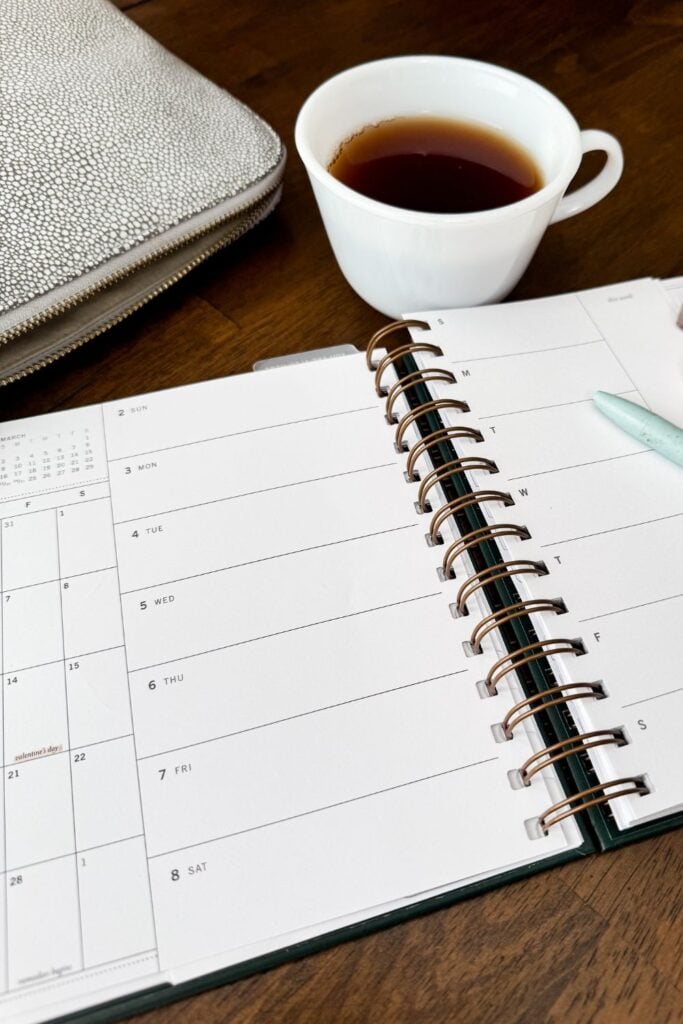
Pick your start date and end date, write them somewhere you can see them, and make a promise to yourself that you’re going to show up for this new chapter of your life.
2. Get into the right mindset
Now, I want you to understand something really important before we go any further.
Your lock-in period has an end date, but your growth doesn’t.
I know we just talked about setting a timeline, but I don’t want you to look at this as a temporary challenge where you work super hard for 30 days and then go back to all your old habits on day 31.
That would defeat the whole purpose, wouldn’t it?
You have to think of your lock-in period as the time you’re giving yourself to build a strong foundation for your new lifestyle.
You’re learning how to show up for yourself, figuring out which routines make you feel your best, and becoming comfortable with a different way of living.
Once your chosen timeline is over, you can relax the structure, make room for more spontaneity, and settle comfortably into the new version of yourself.
But don’t think you can go back to the old unhealthy ways.
For example, if you’ve spent 30 days improving your eating habits, you shouldn’t suddenly abandon everything you’ve learned just because your challenge is over.
But you can stop thinking too much about every part of the routine and let your new habits become a natural part of your day.
I also want you to let go of the idea that you need to be perfect during this period.
You’re allowed to have slow days, change your plans, and make mistakes. None of those things mean you’ve failed at locking in.
Remind yourself every morning: I’m not doing this for just 30 days. I’m using this period to create a life I want to keep living.

3. Choose 3-5 Anchor Habits To Follow Every Day
This is probably my favorite part of the whole lock-in process because it’s what turns a big, exciting goal into something you can actually work on every single day.
Instead of making a massive list of everything you want to change about yourself, I want you to pick just three to five anchor habits.
These are the habits that will form the backbone of your lock-in routine.
For example, I’m currently in a lock-in period where my main focus is improving my eating habits and overall well-being.
And these are my five anchor habits:
- Hydration
- Balanced eating
- Reading
- Meditation
- One-hour workout (with rest whenever my body needs it)
Pretty simple, right?
But that’s exactly what makes it work for me. I know what I need to focus on every day, and I don’t have to wake up wondering what I should do to make progress.
Your anchor habits will obviously look different depending on what you’re locking in for.
If you’re focusing on your career, they might include two hours of focused work, learning a new skill, reading industry-related material, and planning the next day’s priorities.
If you’re locking into your feminine energy and self-care, your habits might involve journaling, daily movement, getting dressed for yourself, reading, and having a relaxing evening routine.
Whatever you choose, make sure your habits are specific, doable, and connected to the changes you want to see.
And please don’t turn five habits into twenty by adding a dozen secret rules underneath each one.
We want a routine that feels good to return to, even on an ordinary Tuesday when nothing particularly exciting is happening.
4. Build Your Daily Routine Around Your Anchor Habits
Now that we’ve picked our habits, let’s give them a proper place in our lives.
Because writing ‘meditate every day’ in your journal is one thing. Actually finding the time and remembering to do it is another story altogether.
Take a look at your current routine and figure out where your anchor habits can fit naturally.
Maybe you can read for 20 minutes after breakfast, go for a walk after work, and meditate before bed.
Or perhaps you’re someone who feels most energetic in the morning and would rather finish your workout before the rest of the world wakes up.
There’s no need to copy someone else’s perfect morning routine. The best routine is the one that works with your energy, responsibilities, and lifestyle.
One thing that helps me is writing in a daily planner at the start of the day. I have a free printable for it right here for you to grab.
You can also create a shorter version of your routine for particularly busy or low-energy days.
For example, if you usually read for 30 minutes, you might read for 10. If you’re tired from your workouts, you might take a rest day and focus on recovery.
Having this flexibility makes it easier to stay connected to your routine without turning your lock-in into another source of stress.

5. Pick A Self-Help Book To Read During Your Lock-In
Okay, book lovers, this one’s for us!
I highly recommend picking one self-help or personal growth book to accompany you through your lock-in period.
And no, we’re not just picking a random bestseller because everyone on the internet is talking about it.
We’re going to choose a book that resonates with the theme of our lock-in.
If you’re locking into your womanly power, intuition, and inner confidence, you might enjoy Women Who Run With the Wolves by Clarissa Pinkola Estés.
It’s a fascinating read about reconnecting with your instincts and the wild, powerful parts of yourself.
If fitness, discipline, and mental toughness are your main priorities, Can’t Hurt Me by David Goggins could be a great choice.
And if you’re focusing on personal growth, success, and building a more positive outlook, you can pick up You Can Win by Shiv Khera.
Reading gives you something to return to whenever your motivation starts slipping.
You get to spend a few minutes every day learning from someone else’s experiences, reflecting on your own patterns, and reminding yourself why you started.
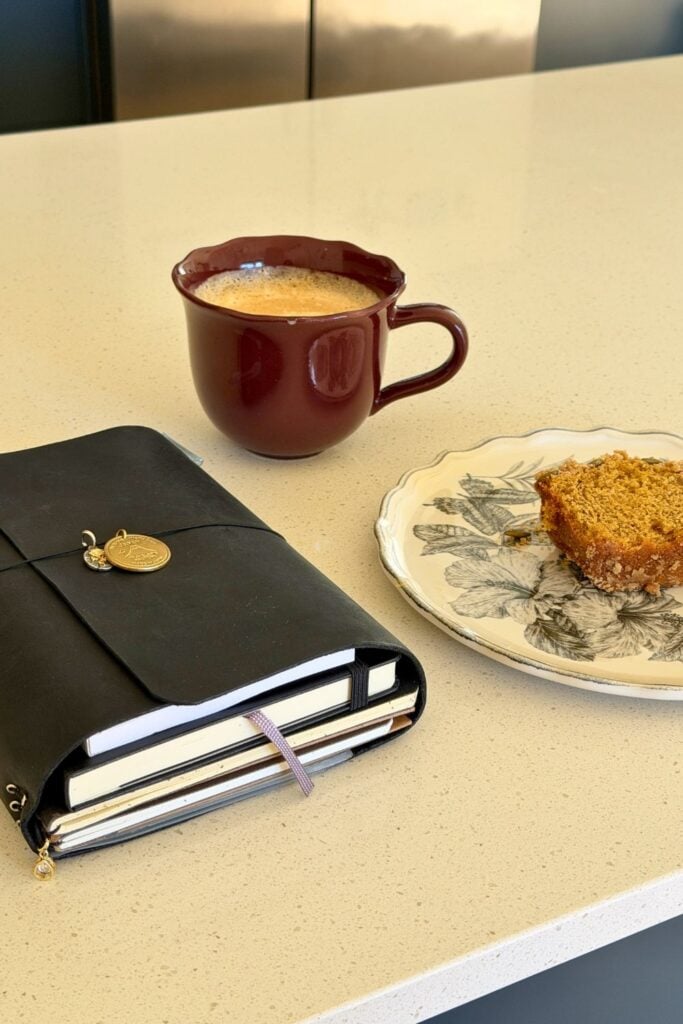
You can make this part of your morning routine with a cup of coffee, or read a chapter in bed before sleeping.
And here’s a fun suggestion: Keep a notebook next to you and jot down any ideas that make you stop and think.
By the end of your lock-in period, you’ll have a collection of thoughts, lessons, and reminders that you can continue coming back to.
6. Make A List Of Things You’re Temporarily Saying No To
If you’re serious about locking in, you need to get comfortable with the idea that you can’t say yes to everything.
And I don’t just mean parties, outings, and social commitments.
Sometimes the biggest distractions are the things we don’t even realize we’re spending so much time on.
Like checking our phones every fifteen minutes, watching random videos when we’re supposed to be working, or spending an entire evening researching a new hobby instead of actually practicing the one we already started.
So, here’s what I want you to do.
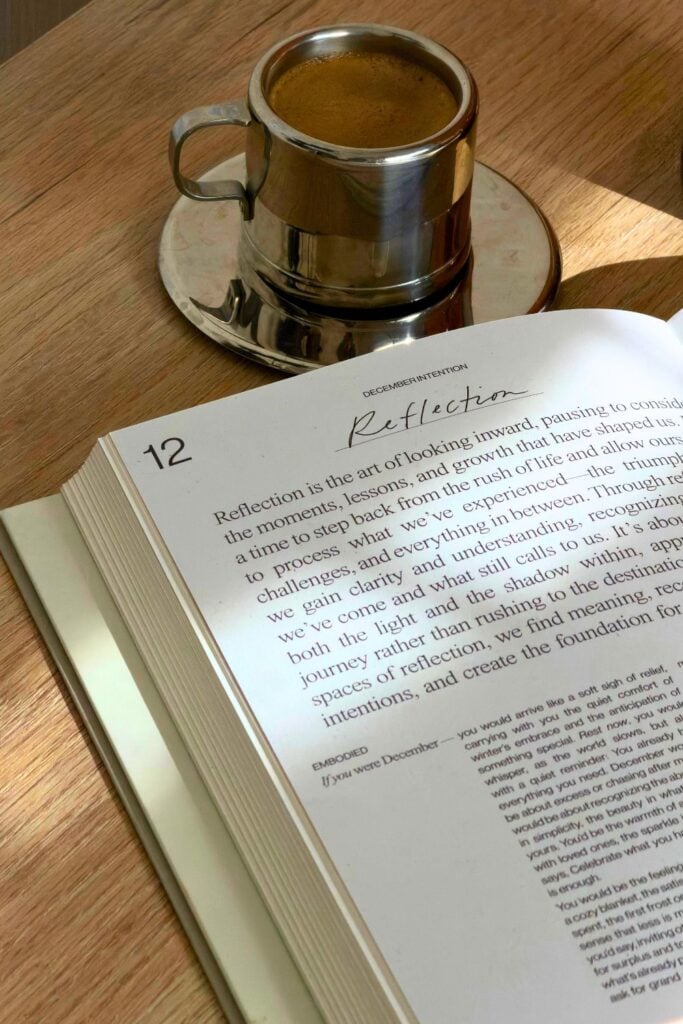
Open your journal and make a list titled Things I’m Saying No To During My Lock-In.
Think about the habits, commitments, and distractions that have been eating into your time and energy lately.
Maybe you want to stop scrolling first thing in the morning, cut back on late-night screen time, or take a break from making plans every weekend.
You don’t need to give up everything fun. In fact, I strongly recommend keeping activities that make you happy and help you recharge.
But you do need to be selective about where your attention goes.
Remember, every time you say no to something unwanted, you make more room for something valuable.
And that’s a pretty good reason to start protecting your time.
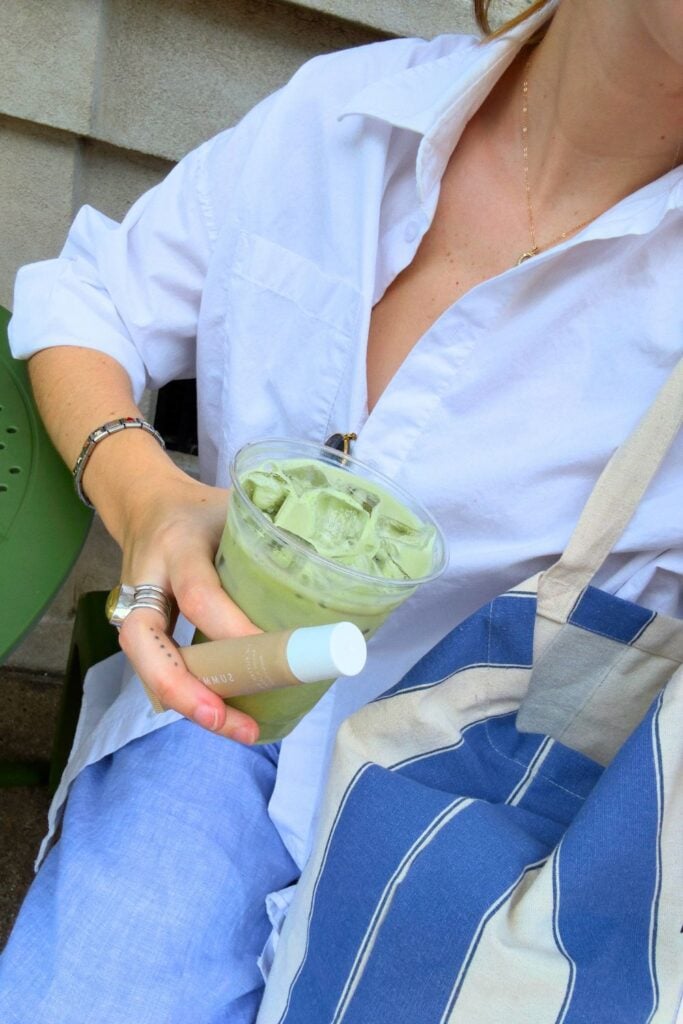
7. Create An Environment That Makes You Want To Show Up
I don’t know about you, but I find it so much easier to stick to my routines when my surroundings are working with me instead of against me.
Imagine trying to read every night when your bedside table is overflowing with random things, your phone is always buzzing, and you can’t even find your book.
Not exactly the most inviting setup, is it?
So, before your lock-in period begins, spend an afternoon getting your space ready.
Clean your desk if you’re focusing on work or studying. Put your workout clothes somewhere accessible if fitness is your priority.
Stock your kitchen with ingredients for balanced meals if you’re trying to improve your eating habits.
You can also create a dedicated corner for your lock-in rituals.
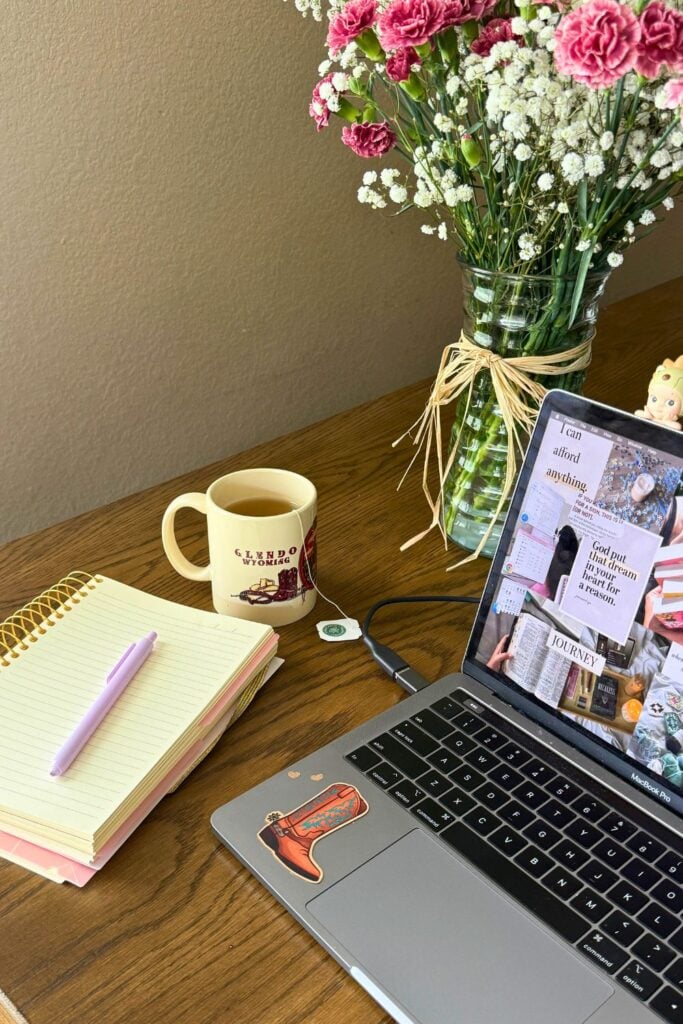
Maybe it’s a cozy chair with your self-help book, journal, and favorite blanket. Or a clean desk with a candle, a water bottle, and a planner.
You can also make a lock-in playlist and have a special notebook for the whole experience.
These things might sound simple, but they can make your routine feel like something you look forward to rather than another set of chores waiting for you.
The goal is to remove unnecessary friction and make it easier to choose your new habits.
8. Have A Weekly Lock-In Date With Yourself
Every week during your lock-in, I want you to set aside 20-30 minutes for a proper check-in with yourself.
You can do this on a Sunday morning with coffee, on a Friday evening after work, or whenever you have some uninterrupted time.
Bring out your journal, get comfortable, and take stock of how the week went.
Here are a few questions worth asking yourself:
- Which of my anchor habits felt the easiest to follow this week?
- What kept getting in the way of my routine?
- Have I been feeling better physically, mentally, or emotionally?
- Is there anything I need to change to make next week easier?
- What’s one thing I’m proud of myself for?
You can also use these weekly dates to plan your upcoming week, prepare for any challenges, and make adjustments to your routine.
Just remember that this is a check-in, not a performance review.
You’re not sitting down to scold yourself for everything you didn’t do. You’re giving yourself a chance to reflect, learn, and move forward with a better plan.
9. Decide What Happens After Your Lock-In Period Ends
Remember what we talked about earlier? Your lock-in period is supposed to help you create a lifestyle, not just finish a challenge.
Well, this final step is where we make sure that actually happens.
As you approach the end of your lock-in, sit down and think about which parts of your routine you’d like to carry forward.
Maybe you’ve fallen in love with reading before bed, discovered that morning workouts make you feel amazing, or realized how much calmer you feel when you meditate regularly.
Those are the habits you want to keep.
You can also look at the things that didn’t work so well and decide whether they need to be adjusted or dropped altogether.
And once your lock-in is over, please give yourself permission to relax.
Go on that spontaneous outing, enjoy a lazy weekend, and make room for all the wonderful things that might not have fit into your more structured routine.
You don’t have to maintain the same level of intensity forever.
If you reach a point where you don’t have to think so hard about doing the things that are good for you, you can consider your lock-in period a success.

Your Lock-In Game Plan
Before you go, let’s put everything together so you can start your lock-in with a clear plan.
Grab a notebook and fill in the following:
My lock-in theme: What area of my life am I focusing on?
My lock-in dates: When am I starting, and when will I finish?
My main goal: What would I love to have improved by the end of this period?
My 3-5 anchor habits: What actions will help me move toward that goal?
My lock-in book: What am I reading to keep myself inspired?
My daily routine: When will I make time for my habits?
Things I’m saying no to: What distractions or unnecessary commitments am I putting on hold?
My weekly check-in day: When will I sit down and reflect on my progress?
My long-term vision: Which changes do I want to make a permanent part of my life?
And there you have it! Your very own lock-in plan.
One last thing before you start: Don’t wait for the perfect Monday, the first of the month, or a magical burst of motivation to begin.
You can start preparing today, even if all you do is choose your habits, clear your desk, and pick out a book.
A month from now, you could be looking back at this moment feeling so proud that you finally decided to take yourself seriously.
Now go make it happen. I’m rooting for you!



Leave a Reply